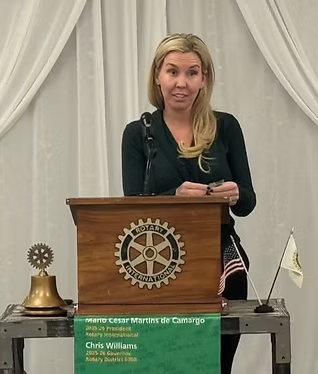
For Lauren Smith, this issue isn’t theoretical—it’s deeply personal. Early in her marriage, her husband Chris suffered four heart attacks before doctors identified the cause: a rare and life-threatening condition called Spontaneous Coronary Artery Dissection. At the time, they were educated, employed, and insured. And still—it wasn’t simple. As they navigated his care, Lauren and Chris began to see healthcare differently. Even with insurance, the costs added up quickly—copayments, medications, specialist visits, and testing. More importantly, they realized that having insurance didn’t always mean having clarity, affordability, or control. They began rethinking how they accessed care. They asked more questions. They weighed the value of each test and treatment. They learned how to prioritize what was necessary—and how to confidently say no to what wasn’t. “We learned how to fund a health condition,” Lauren says, “while still making sure we were getting the care we truly needed.” Over time, their family’s circumstances evolved. Jobs changed. Insurance coverage shifted. And eventually, they found themselves without access to employer-sponsored health insurance. Faced with the high cost of private insurance, they made a deliberate decision: to go without it. But this time, the decision wasn’t rooted in fear—it was rooted in understanding. They knew that even without traditional insurance, they still had access to high-quality healthcare and affordable prescriptions through Community Health Centers. That experience didn’t just shape Lauren’s perspective—it shaped her leadership. Years later, when she stepped into the role of CEO at HOPE Family Health, she carried that lived understanding with her. She chose HOPE. Today, Lauren, her husband, and their youngest son are not only part of the organization—they are patients within it. “I didn’t just choose to lead HOPE,” she says. “I chose to trust it with my family.”
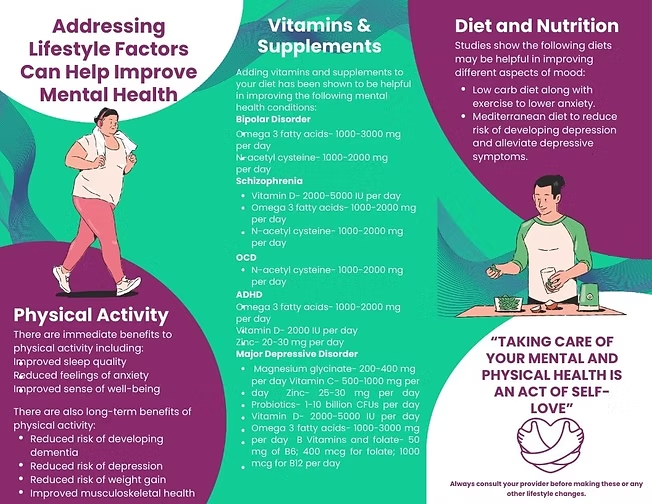
Learn More:
https://www.who.int/news-room/fact-sheets/detail/mental-health-strengthening-our-response
https://www.samhsa.gov/mental-health
https://www.kff.org/statedata/mental-health-and-substance-use-state-fact-sheets/tennessee/
https://www.tn.gov/content/dam/tn/health/program-areas/vipp/Suicide-Prevention-Annual-Report-2023.pdf
https://www.tn.gov/health/health-program-areas/pdo/pdo/data-dashboard.html
https://www.wate.com/news/local-news/state-of-the-child-report-reveals-new-information-on-tn-childrens-mental-health/
https://www.webmd.com/add-adhd/adhd-and-substance-abuse-is-there-a-link
https://www.nimh.nih.gov/health/publications/my-mental-health-do-i-need-help
https://www.ncbi.nlm.nih.gov/books/NBK207191/ https://www.psychiatry.org/patients-families/stigma-and-discrimination